
Impact of Middle East conflict on poultry supply chains

The escalating conflict in the Middle East – particularly between the United States, Israel and Iran – is already having a significant impact on the global poultry industry. While the direct consequences are limited for now, disruptions to transport routes, rising energy prices and uncertainty in export markets are putting increasing pressure on the sector.
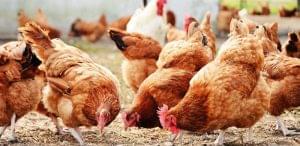
European producers are mainly feeling the effects indirectly: rising energy prices, volatile feed markets and problems with fertilizer supplies are increasing production costs. As poultry production is energy intensive (heating, processing, transport), a sustained increase in oil and gas prices could further exacerbate the situation.
The duration of the conflict is a key factor
In the short term, the impacts may be limited, but in the event of prolonged or more intense fighting, rising energy, feed and logistics costs, as well as inflation and wage increases, could put a serious strain on the value chain.
Global trade is also at risk as important transport routes are affected
Exports to the Middle East could fall, while products could be diverted to other markets, such as Africa, leading to price declines in some segments. Alternative routes could extend transport times and increase costs, particularly for Asian exports. Disruptions to maritime transport are particularly affecting the poultry trade, which is heavily dependent on shipping. Higher freight rates and insurance costs are further complicating trade, while disruptions to the fertilizer market are putting additional pressure on feed production. In the longer term, rising costs could lead to food inflation and a decline in consumer demand. However, the relative cheapness of poultry meat could also increase demand during a crisis, providing some stability to the sector.
NAK
Related news

The complete renewal of Hungarian agriculture is underway
🎧 Hallgasd a cikket: Lejátszás Szünet Folytatás Leállítás Nyelv: Auto…
Read more >
Poultry meat exports increased significantly, imports decreased sharply
🎧 Hallgasd a cikket: Lejátszás Szünet Folytatás Leállítás Nyelv: Auto…
Read more >
Institute of Agricultural Economics: poultry meat exports increased, pork meat exports decreased
🎧 Hallgasd a cikket: Lejátszás Szünet Folytatás Leállítás Nyelv: Auto…
Read more >Related news

Ministry of Agriculture has started the preparation of a new state origin certification mark
🎧 Hallgasd a cikket: Lejátszás Szünet Folytatás Leállítás Nyelv: Auto…
Read more >
What do we spread on our bread? Young people prefer butter, older people prefer margarine
🎧 Hallgasd a cikket: Lejátszás Szünet Folytatás Leállítás Nyelv: Auto…
Read more >
Products in the EU will receive a digital passport
🎧 Hallgasd a cikket: Lejátszás Szünet Folytatás Leállítás Nyelv: Auto…
Read more >
