
The closure of the Strait of Hormuz could also pose a risk of price increases in the grain and feed markets.

The conflict in the Middle East and the closure of the Strait of Hormuz caused significant fluctuations in global stock markets, and according to the report of the Agricultural Sector, the risk has also reached Hungarian agriculture.
 In addition to crude oil, the strait also transports fertilizer and several key raw materials in animal feed, so the permanent loss of the route could cause supply disruptions and price increases – especially on the energy and input side.
The topic was also highlighted in this week’s episode of the Alapvetés podcast: In the episode from the Portfolio Agrárium 2026 conference, Péter Umenhoffer (Bio-Nat), Tamás Petőházi (National Association of Grain Growers), Ákos Varga (UBM Group) and Zoltán Kulik (Vitafort) assessed the current situation of the grain and feed market, as well as the environmental and economic challenges related to soil depletion. The focus of the discussion was on the extent to which geopolitical uncertainty could affect input costs and crop prices, and how long the market tension could last.
Related news
China would increase its grain production capacity by 50 million tons
🎧 Hallgasd a cikket: Lejátszás Szünet Folytatás Leállítás Nyelv: Auto…
Read more >
Another difficult year awaits the feed market
🎧 Hallgasd a cikket: Lejátszás Szünet Folytatás Leállítás Nyelv: Auto…
Read more >
A Hungarian research group has developed a gene editing process for producing new grain varieties
🎧 Hallgasd a cikket: Lejátszás Szünet Folytatás Leállítás Nyelv: Auto…
Read more >Related news

Oat-based “feta” wins the cheese innovation competition of Lidl Germany and ProVeg
🎧 Hallgasd a cikket: Lejátszás Szünet Folytatás Leállítás Nyelv: Auto…
Read more >
The horticulture of the future is being built in Szentes
🎧 Hallgasd a cikket: Lejátszás Szünet Folytatás Leállítás Nyelv: Auto…
Read more >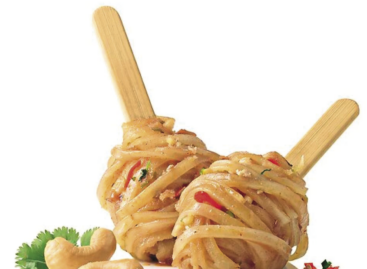
Finger Food Experience
🎧 Hallgasd a cikket: Lejátszás Szünet Folytatás Leállítás Nyelv: Auto…
Read more >
