
–15–20 degrees Celsius night frost: fruit trees can mostly withstand it in winter, the risk increases with cooling after the weather has cooled down

According to the compilation of Agroinform, persistent cold, as low as -15-20 degrees Celsius at night, is expected in several regions, which raises the question for many garden owners: are fruit trees in danger? The good news is that temperate, deciduous species – such as apples, pears, plums, sour cherries or cherries – can typically adapt to harsh sub-zero temperatures during their winter dormancy.
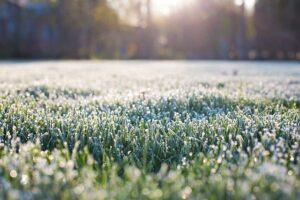 At this time, the water content of the tissues decreases, the cells “prepare” for frost, and with proper hardening, -15–20 degrees in itself does not necessarily cause damage. Moreover, cold tolerance is highest in woody parts (trunk, thicker branches) during this period. The problem may be more of a sudden change in the weather. If a marked cooling comes after a longer, milder period, the trees may partially lose their ability to tolerate frost, and the buds – especially the flower buds – may become more sensitive. Severe frost can be particularly risky where the trees are young or weakened, the variety is less cold-tolerant, the area is frost-prone, or if the cold persists for a long time, coupled with wind. In persistent frost without snow cover, the root zone may also be more vulnerable, especially on loose, dry soils. However, most damage to the crop does not occur in winter, but in spring: when the buds are already swelling or flowering begins, even -2-4 degrees can cause severe frost damage. This is especially true for early-flowering species, such as apricots and peaches. In the current cold, observation and careful protection are the most important: it is worth covering the base of the trees with mulch to protect the root zone, avoiding unnecessary disturbance and pruning, and monitoring sudden cooling after warming. In the long term, variety selection and a good assessment of the growing site conditions are the surest “frost protection” strategy.

Related news
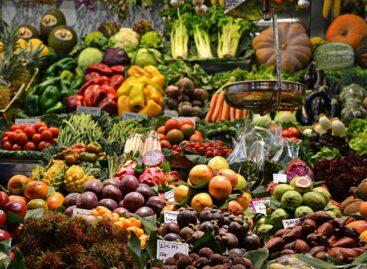
Fruit prices in Serbia rose significantly in 2025
🎧 Hallgasd a cikket: Lejátszás Szünet Folytatás Leállítás Nyelv: Auto…
Read more >
Hungarian vacuum technology could revolutionize space nutrition
🎧 Hallgasd a cikket: Lejátszás Szünet Folytatás Leállítás Nyelv: Auto…
Read more >
Battery-powered garden tools continue to gain popularity
🎧 Hallgasd a cikket: Lejátszás Szünet Folytatás Leállítás Nyelv: Auto…
Read more >Related news

What do we spread on our bread? Young people prefer butter, older people prefer margarine
🎧 Hallgasd a cikket: Lejátszás Szünet Folytatás Leállítás Nyelv: Auto…
Read more >
Products in the EU will receive a digital passport
🎧 Hallgasd a cikket: Lejátszás Szünet Folytatás Leállítás Nyelv: Auto…
Read more >
The Hungarian sports drink manufacturer has launched three new functional drinks
🎧 Hallgasd a cikket: Lejátszás Szünet Folytatás Leállítás Nyelv: Auto…
Read more >
